

May 1, 2018
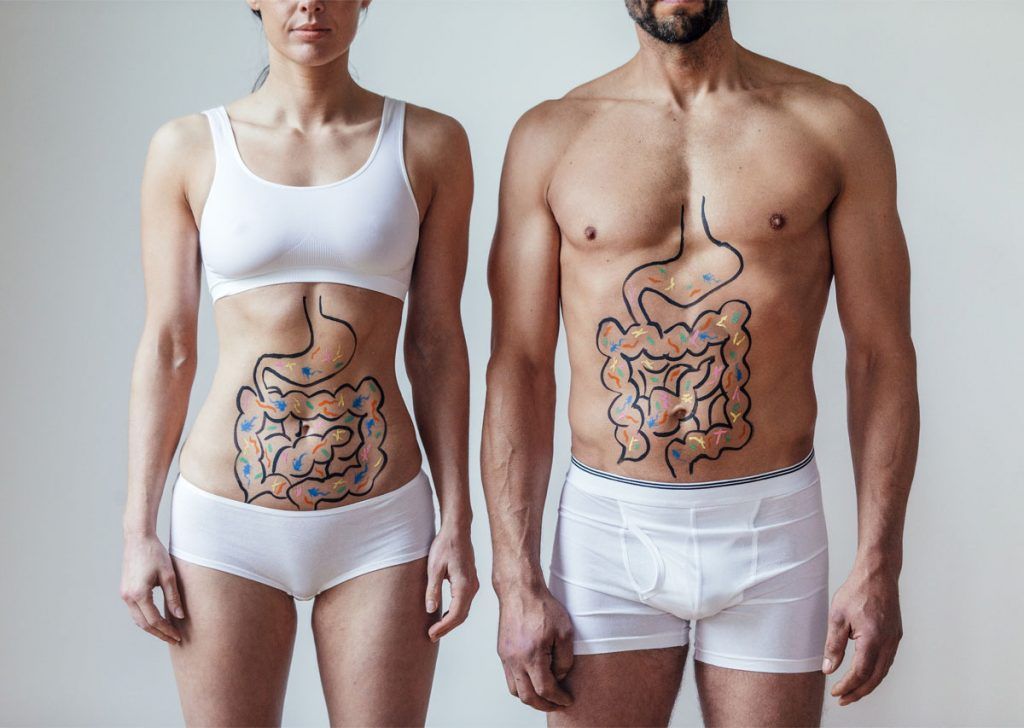
How often do you really think about your gut? Even if you never do, you may be surprised to learn that the opposite is always true—your gut is affecting your thoughts.
That’s because the gut-brain-axis is a bilateral communication system, meaning there’s a strong connection between your digestive tract and your brain. This expands the influence of your gut bodywide, making it critically important that you take care of it.
Trouble in your gastrointestinal tract doesn’t only cause gas and cramping, it can also result in poor skin quality, weight gain, and even mental disorders, such as anxiety and depression.
Obviously, you don’t want that—nor do you want to spend half your paycheck on expensive supplements, either. Luckily, there’s a middle ground between ignoring your GI tract and going wild in the supplement aisle. If you’re wondering how to naturally improve gut health, here are four ideas for incorporating good gut practices into your daily life.
1. Get your probiotics
Your gut is a community comprising both human cells and microbiota at roughly a one-to-one ratio bodywide. Unhealthy diets, antibiotics, and poor exercise can hamper your little bacterial friends, but probiotics are believed to replenish them. There’s only one hitch: quality probiotic supplements tend to be pretty pricey—and the cheaper varieties often can’t guarantee that they contain a thriving colony of living bacteria.
Fortunately, there are a number of foods that are naturally rich in good bacteria (and tasty, to boot!). Yogurt may be the first thing to come to mind, but there are also non-dairy options. Popular foods like sauerkraut and kimchi, in which the fermentation process encourages the growth of bacteria that are particularly great for your gut, are particularly helpful. Just be sure you purchase living options from the refrigerated section of your grocery store.
There’s also drinkable options, including kombucha and kefir. There’s now many flavors of both to please your palate—you can even find non-dairy kefir at natural food stores.
If the more highly fermented food and drinks aren’t your favorite, give some cottage cheese, goat chevre, or farmer’s cheese a try. Certain varieties are a good source of probiotics, as long as the product has live and active cultures.
Whatever you probiotic-rich foods you choose, be sure to avoid added sugar (particularly when buying yogurt and probiotic beverages).
2. Drink bone broth
Collagen is a critical structural component in your body. In addition to reducing lines and wrinkles, it can help heal a leaky gut and prevent against inflammation. One of the richest sources of collagen is also one of the most affordable: bones. You can buy affordable beef bones at the store to cook up your stock or repurpose bones after your roast or grill a chicken. (Need some inspiration? Check out Dr. Buford’s bone broth recipe.)
If you’re vegetarian or vegan, you can still improve your supply of collagen by eating more of its building blocks: vitamin C, vitamin A, lysine and more.
3. Eat a diverse diet
Your gut community likes to sink its teeth into a wide range of foods. Switch up your grains, proteins, dairy, and produce as much as possible. Not only will it make your stomach happy, you’ll also get to have fun trying new combinations and avoid getting burned out on your favorite meals.
Be sure you’re incorporating plenty of fruit and veggies for their high-quality fiber, which helps good bacteria flourish in your gut. It’s particularly helpful if you can eat the whole rainbow each week. Thinking about color when making your grocery list can help; you might include red radishes, orange carrots, yellow bell peppers, green lettuce, blueberries and purple eggplants.
4. Reduce your sugar intake
And that applies to carbs, as well. A bit of quality pasta or whole grain bread isn’t going to hurt you, but diets high in refined sugar and simple carbohydrates can seriously mess with the natural balance of your gut bacteria.
If you can’t imagine giving up all your favorite starches, try making a few simple swaps. Use a spiralized zucchini as a base for your favorite sauce or skip flavored yogurt in favor of unsweetened Greek yogurt with a drizzle of honey, which can actually help your gut flourish
Still wondering, “Do I have a healthy gut?”
While there are tests for gut health, they can be expensive or inaccurate. What’s most important is how you feel. Try these tips and see if you gain energy, sleep better, crave fewer foods, and even lose some weight. If so, you likely have improved your gut health.
You Might Also Like