
June 11, 2015
Many of my female bodybuilder patients have questions about breast augmentation, and as a former men’s physique competitor myself, I have a unique perspective on the nuances of the procedure. Here are a few of the most common questions about plastic surgery for bodybuilders that I hear from women interested in the procedure:
Should the Breast Implant be Placed Over or Under the Muscle?
Breast implant placement for women with low body fat requires advanced knowledge of female anatomy, as female bodybuilders usually have muscular frames and very little body fat.
I generally recommend that implants be placed under female bodybuilders’ pectoral muscle.
Submuscular (under the muscle) implants create a more natural look for female bodybuilders, helping to compensate for a bodybuilders lack of fatty tissue and their overall toned appearance.
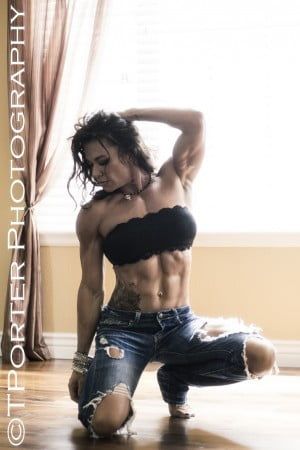
“In my research for a surgeon to perform breast augmentation, I was very leery because my body type is not the ‘norm’ for women. Being a female bodybuilder with a lot of muscle is not something most doctors see every day, so it was imperative for me to find a doctor who understood not only how my body is currently, but also what I do as far as training and competing.” Rose Brunner, IFBB Pro, female bodybuilder breast augmentation patient.
What Kind of Breast Implants are Best for Female Bodybuilders?
As with any patient I see, a consultation is necessary to determine which options will best suit their needs. While many female bodybuilders choose smaller silicone implants, size, shape, and profile are all chosen based on individual body measurements and determined on a case by case basis.
During the consultation, I evaluate the musculature and frame of the patient to determine what implant size will provide the best results. Smaller sized implants are often a good match for muscular frames with less body fat, but some patients require larger implants to create a proportionate, attractive result.. Silicone implants are preferred, as saline implants can result in higher rates of rippling in women who do not have sufficient tissue to conceal the implant.
A softer, more feminine breast appearance is often preferred by both the judges and the bodybuilders themselves. Depending on the person, breasts that are too large can appear unbalanced and unnatural, while implants that are too small can look out of proportion with the rest of the body. For these reasons, I base my recommendations for female bodybuilders on their unique anatomy and future goals.
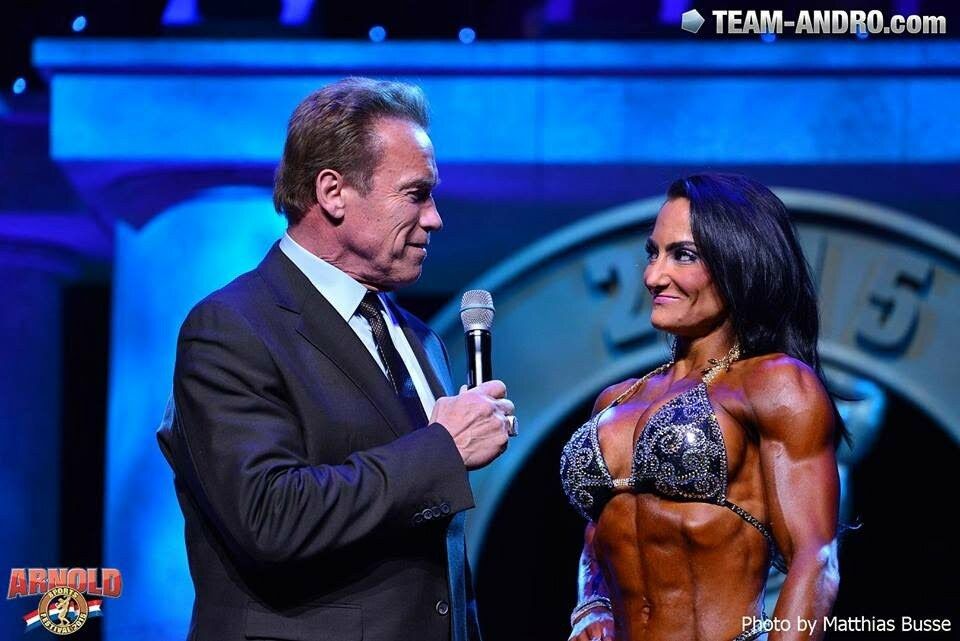
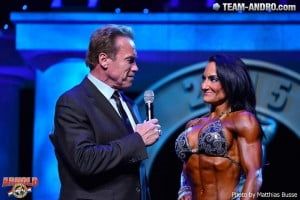 “Dr. Buford’s understanding and plethora of knowledge of the sport and what I need to do to maintain my daily nutrition and constant exercise continues to be very helpful in all my needs.” Camala Rodriguez-McClure, IFBB Pro, Ms. Figure International 2015, female bodybuilder breast augmentation patient
Is it Safe to Exercise Chest Muscles After Augmentation?
Yes, but only after a patient has fully healed. It is essential to give the chest muscles time to heal properly before putting any stress or strain on them. I generally recommend waiting at least six to eight weeks after surgery to resume chest exercise routines.
Be sure to proceed with caution during the first few exercise sessions. Push-ups and weight training are allowed after a full recovery, but patients may experience some discomfort as they resume weight lifting activities.
“Dr. Buford was very knowledgeable, not only in terms of how to work with the amount of muscle I had, but also his experience and understanding of bodybuilding. This made me feel so much more relaxed, comfortable, and confident about the procedure.” Rose Brunner, IFBB Pro, female bodybuilder breast augmentation patient.
Will I Lose Strength or My Competitive Edge After Getting Breast Implants?
Since training is discouraged during the healing process, some patients may experience an initial loss of strength immediately following surgery. This should be easily built back up once you have recovered, and it should not permanently affect you.
I’ve found that judges tend to prefer a more feminine look, which is part of the reason that female bodybuilders seek out breast augmentation. Larger breasts may give women an advantage in competition, rather than negatively impacting the competitive edge.
“The fantastic results I have had with Dr. Buford have helped me to complete my total package of presentation in my professional career as an IFBB Pro Figure competitor, fitness model, and personal trainer. The confidence I get by having complete satisfaction will continue to bring an abundance of success in all my work and endeavors.” Camala Rodriguez-McClure, IFBB Pro, Ms. Figure International 2015, female bodybuilder breast augmentation patient
I’m a Female Bodybuilder, Is Breast Augmentation Right for Me?
The only way to know if you’re a good candidate for breast augmentation is to consult with a board certified surgeon. It is also helpful to choose a surgeon who has first-hand experience in the bodybuilding field, like myself.
“I am very happy with my experience and results. I truly enjoyed working with Dr. Buford.” Rose Brunner, IFBB Pro, female bodybuilder breast augmentation patient.
I have performed many breast augmentations for female bodybuilders and helped competitive bodybuilders in the Denver area and beyond achieve their highest potential through breast augmentation surgery. Read more about Camala’s experience in her interview.
Contact my office today so I can answer your questions in person and help guide you through the decision-making process.
You Might Also Like