
June 25, 2021
Weight loss is on many of our minds after a year or more of stress, gym closures, and lockdowns, but there are ways you can use pandemic weight gain (the so-called “COVID 19” pounds) to your advantage. Keep reading to learn why you might want to skip an arduous weight loss process in favor of a body contouring procedure.
Body contouring vs. weight loss
If you gained some weight this past year, it’s important to be realistic with yourself: Quick weight loss is hard to achieve and hard to maintain, so getting back to your ideal “goal weight” is unlikely to happen in a matter of weeks (or even months).
Plus, weight loss can fall short when it comes to getting the enhanced curves you want, since you don’t have control over how or where your body loses weight. Weight loss reduces fat all over your body, not necessarily where you want it to slim you down. And as anyone who gets dermal filler knows, a little extra plumpness keeps you looking fresh and young.
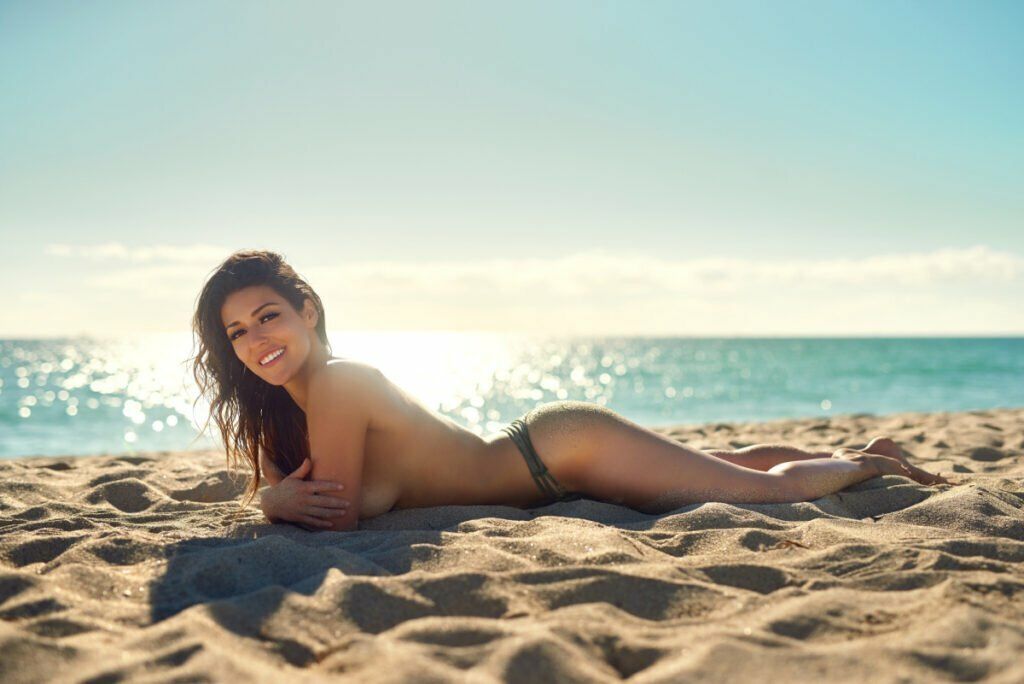
Where body contouring can embrace and enhance your existing curves, you can’t control where weight loss happens.
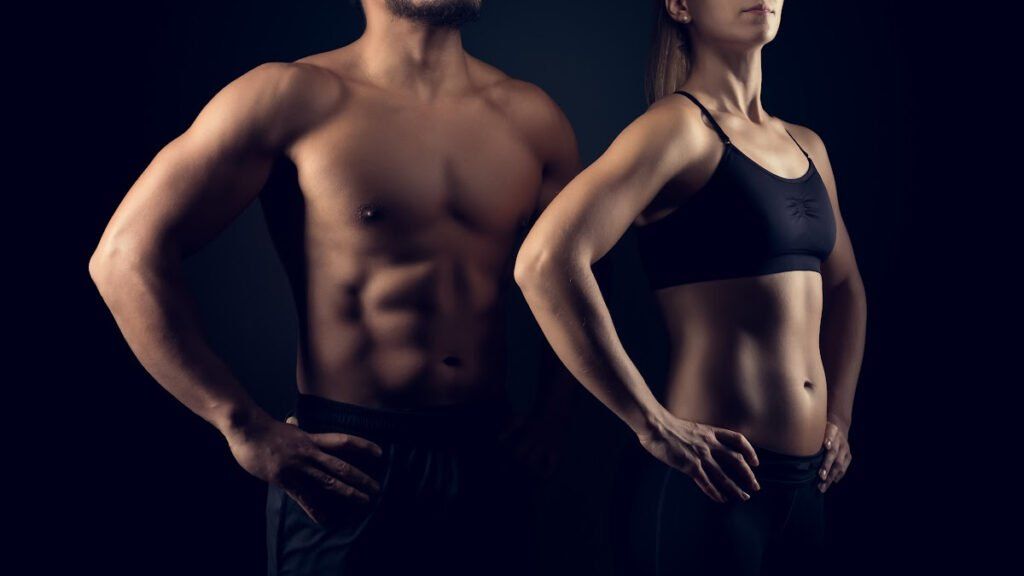
But weight loss isn’t your only option for getting an improved figure. Body contouring, on the other hand, leaves fat where you may want to keep it—like in your face, breasts, and buttocks—so you can keep your favorite curves and still get back to your past waist size. It’s no surprise that body contouring is one of the most sought-after procedures following COVID, as I have learned from participating in a number of industry-specific advisory boards looking at trends in Aesthetic Medicine.
Plus, there’s research that suggests body contouring provides an improved quality of life, motivating patients to make healthier choices going forward—a boost that is more impactful than a brief stint with a restrictive diet and exercise program.
These 4 body contouring procedures enhance your natural curves
At BEAUTY by BUFORD, we offer a variety of surgical, minimally invasive, and non-surgical body contouring procedures that work for patients with different body types and goals. Whether you want a subtle or dramatic look, one of these procedures is likely to work to achieve your goals.
1. Tummy tuck to restore your natural waistline
Tummy Tuck is the gold standard procedure for body contouring. I design each tummy tuck to create a firm foundation of muscle in your abdomen, so results always look natural, and your waistline looks (and is) sculpted. During your procedure, I may further customize your results by reducing fat with VASER liposuction in the love handles, hips, and back.
2. Liposuction to sculpt your perfect figure
Liposuction is the ultimately customizable way to remove fat in strategic areas to enhance your figure. I can use liposuction throughout the body, using an artistic eye to shape and emphasize the features you’re most proud of. After we have used liposuction to shape the back and waist, a little extra weight in the bum becomes an asset, creating a gorgeous hourglass figure.
Body contouring isn’t just fat reduction—we can also tighten excess skin and smooth cellulite to enhance your shape.
3. eon™ to non-surgically shrink the abdomen
While liposuction can be used to sculpt fat anywhere on the body, eon is ideal for non-surgically taking a couple of inches off your abdomen. Patients who are looking for abdominal slimming that is effective and easy to fit in between other appointments—there’s zero down time—tend to be happy with the results of eon.
4. Renuvion to tighten skin and reduce fat
Weight loss reduces fat, but does nothing about stretched or sagging skin. Thankfully, one of the biggest cosmetic advancements in recent decades, Renuvion, now allows us to tighten loose skin using a minimally-invasive procedure that requires little downtime. It shrinks fatty tissue, as well, and triggers tissue contraction that continues in the weeks following treatment.
Choose your Denver board certified plastic surgeon for knowledgeable advice and effective body contouring techniques
With experience in the operating room and with numerous non-surgical tweaks and touch-ups, Gregory A. Buford, MD, FACS, PCEO is your choice for effective body contouring. Call our Lone Tree plastic surgery center at 303-951-5829 or contact us online today to schedule your personal consultation.
You Might Also Like