Accessibility Accessibility icon
CONSULTATION (303) 951-5829
Accent Image
How Can I Regrow Hair Without Surgery?

How Can I Regrow Hair Without Surgery?

How Can I Regrow Hair Without Surgery?

April 3, 2017

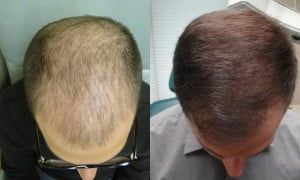
Hair replacement is one of the hottest topics in plastic surgery for both men and women. We can all remember those hideous hair plugs from hair transplant surgery in the past. Fortunately, surgical technique has dramatically improved in recent years, with results appearing much more natural than ever before. But even with these advances, there is still a large segment of the population who would like to restore their hair without surgery.

PRP: Effective Non-Surgical Hair Restoration in 4 Short Treatments

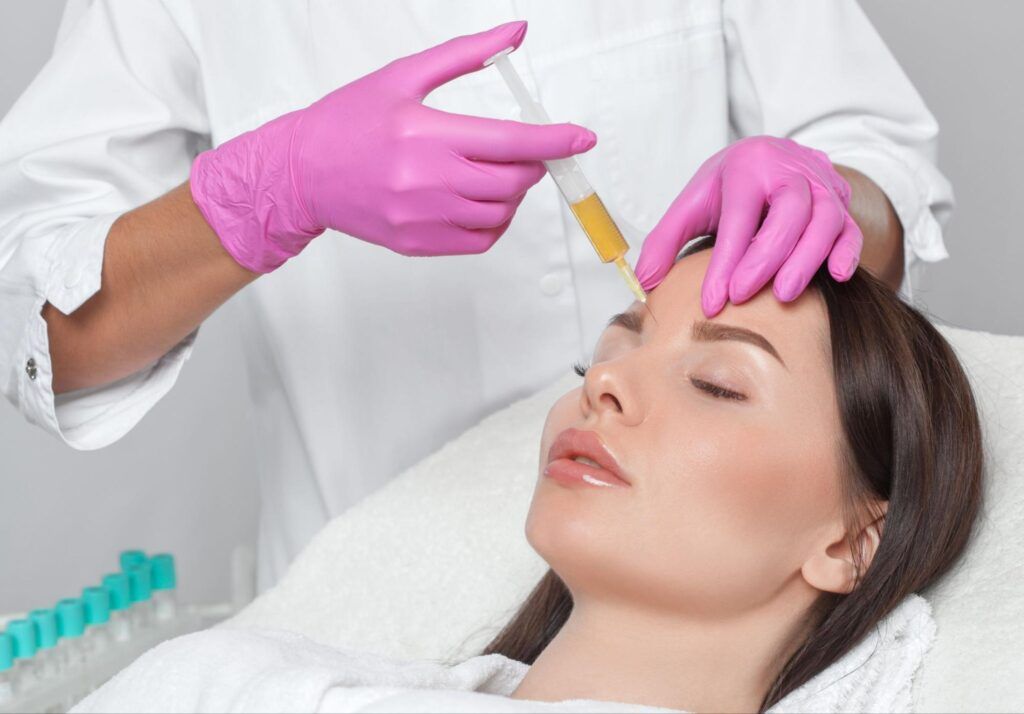
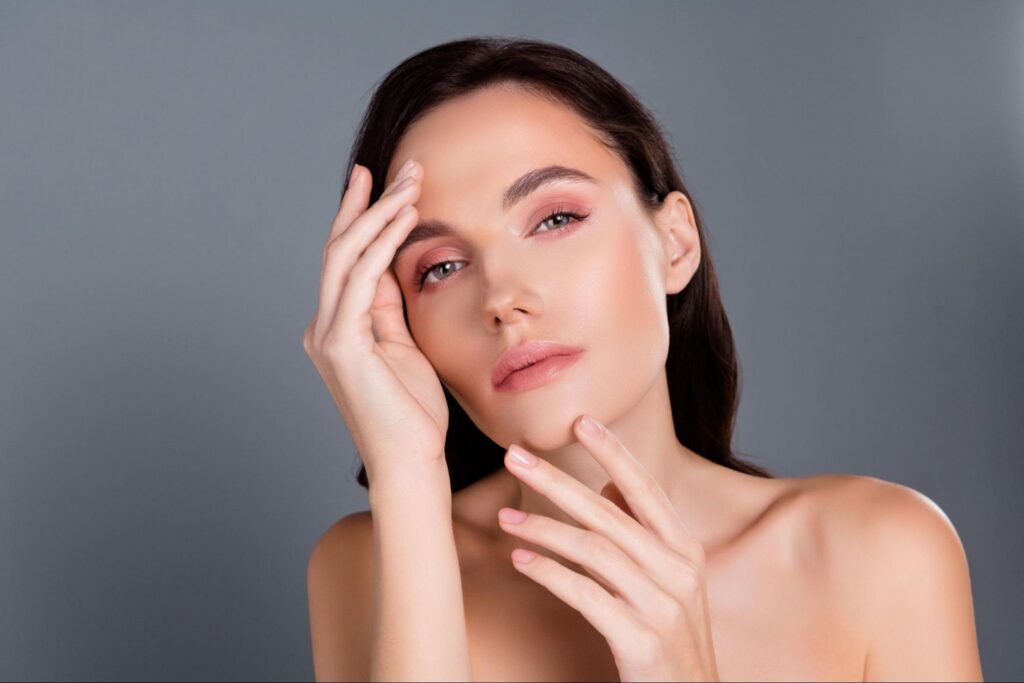
BEAUTY by BUFORD ImageOver the last several years, a number of physicians have examined non-surgical methods for hair restoration with varying results. While doing our due diligence, we found that a number of techniques that purported to grow hair either did so in a very meager manner or were not effective at all. However, one technique that we did find helpful was the use of PRP (platelet rich plasma).

One of the pioneers in the use of PRP to regrow hair is Dr. Jeffrey Rappaport, a board certified dermatologist in New Jersey. Dr. Rappaport has developed a protocol for PRP therapy that involves the following:

  • 4 treatment sessions (each 1 month apart)
  • 0.3-0.5 cc boluses (precisely measured units) of PRP beneath the skin
  • Treatment time = 15 minutes for injections, 45 minutes total
BEAUTY by BUFORD ImageThis PRP hair restoration protocol is now available in Denver at BEAUTY by BUFORD. You can expect a total treatment time of around 45 minutes which will include the initial blood draw, processing of the blood to separate out PRP, numbing of your scalp, actual injection of the PRP, and final post-procedure processing.

For a limited time, we will be offering this procedure at BEAUTY by BUFORD at a highly discounted rate for patients who schedule their first session during the months of April and May. To learn more, I encourage you to call us today at 303.747.6719 or CLICK HERE to email us directly.

Thanks again for your continued support! We look forward to working with you.

Save

Save

Visualize your NEW LOOK in 3D NOW

START NOW
Natrelle® Breast Implants
IMPORTANT SAFETY INFORMATION

Breast implants are not lifetime devices. The longer patients have them, the greater the chance they will develop complications, which may require more surgery. Breast implants have been associated with a cancer of the immune system called breast implant–associated anaplastic large cell lymphoma (BIA-ALCL). Some patients have died from BIA-ALCL. Patients have also reported a variety of systemic symptoms such as joint pain, muscle aches, confusion, chronic fatigue, autoimmune diseases, and others.

Natrelle® Breast Implants are for breast augmentation and revision surgery in women at least 22 years old for silicone-filled implants and women at least 18 years old for saline-filled implants.

You should not get breast implants if you currently have an active infection, untreated breast cancer or precancer, or are pregnant or nursing. Tell your doctor about any conditions you have, any medications you are taking, and any planned cancer treatments. Breast implantation is likely not a one-time surgery.

Having implants removed and not replaced may lead to permanent cosmetic changes of the breasts. Breast implants may affect breastfeeding. Gel implants may rupture without symptoms, so periodic imaging after surgery is recommended.

Key complications are reoperation, implant removal, implant rupture, implant deflation with saline-filled implants, and severe capsular contracture.

Talk to your doctor for more information.

The use of Natrelle® Breast Implants is restricted to licensed physicians who provide information to patients about the risks and benefits of breast implant surgery.

Visualize your
NEW LOOK in 3D NOW!

Start now
START NOW
Natrelle® Breast Implants
IMPORTANT SAFETY INFORMATION

Breast implants are not lifetime devices. The longer patients have them, the greater the chance they will develop complications, which may require more surgery. Breast implants have been associated with a cancer of the immune system called breast implant–associated anaplastic large cell lymphoma (BIA-ALCL). Some patients have died from BIA-ALCL. Patients have also reported a variety of systemic symptoms such as joint pain, muscle aches, confusion, chronic fatigue, autoimmune diseases, and others.

Breast implants are not lifetime devices. The longer patients have them, the greater the chance they will develop complications, which may require more surgery. Breast implants have been associated with a cancer of the immune system called breast implant–associated anaplastic large cell lymphoma (BIA-ALCL). Some patients have died from BIA-ALCL. Patients have also reported a variety of systemic symptoms such as joint pain, muscle aches, confusion, chronic fatigue, autoimmune diseases, and others.

Breast implants are not lifetime devices. The longer patients have them, the greater the chance they will develop complications, which may require more surgery. Breast implants have been associated with a cancer of the immune system called breast implant–associated anaplastic large cell lymphoma (BIA-ALCL). Some patients have died from BIA-ALCL. Patients have also reported a variety of systemic symptoms such as joint pain, muscle aches, confusion, chronic fatigue, autoimmune diseases, and others.

Breast implants are not lifetime devices. The longer patients have them, the greater the chance they will develop complications, which may require more surgery. Breast implants have been associated with a cancer of the immune system called breast implant–associated anaplastic large cell lymphoma (BIA-ALCL). Some patients have died from BIA-ALCL. Patients have also reported a variety of systemic symptoms such as joint pain, muscle aches, confusion, chronic fatigue, autoimmune diseases, and others.