
Accessibility Accessibility icon
CONSULTATION (303) 951-5829
Accent Image
The 411 on Jeuveau vs Botox

The 411 on Jeuveau vs Botox

The 411 on Jeuveau vs Botox

June 25, 2019

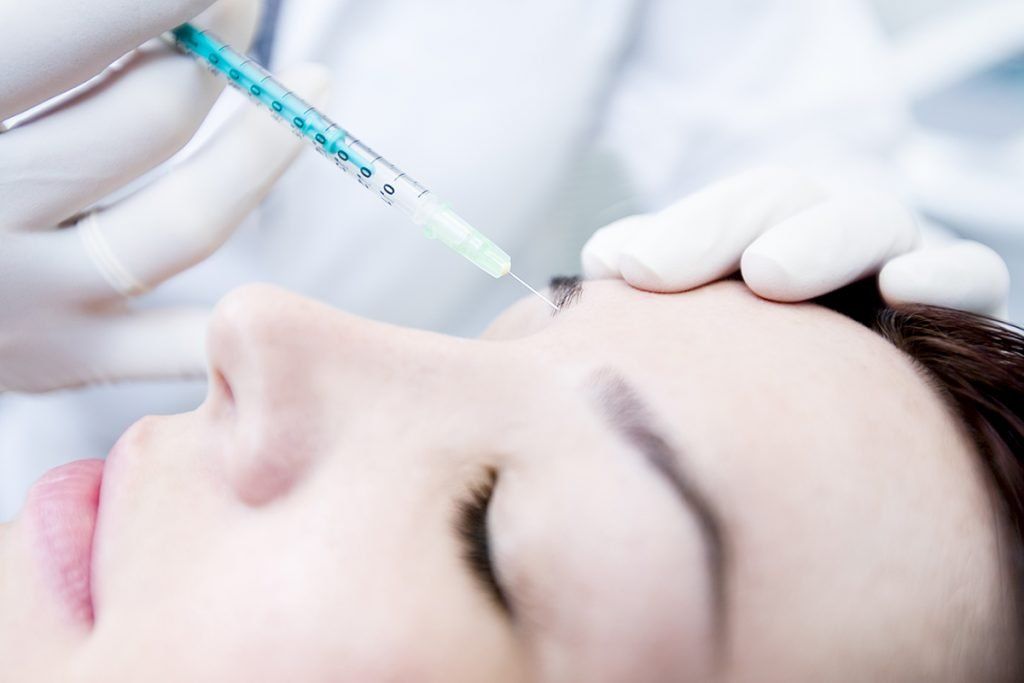
There’s a new Botox alternative in the house—Jeuveau! This means we now have four FDA approved neurotoxins to choose from when treating expression lines (e.g., crow’s feet, frown lines, brow furrows). You’re likely familiar with the other two, Xeomin, and of course, that O.G. injectable BOTOX® Cosmetic, as all of them have been on the scene for 10 years or more. Let’s get to know Jeuveau.

What is Jeuveau?

Jeuveau™ is an injectable botulinum toxin type A neuromodulator that’s FDA approved to treat glabellar lines (frown lines). Carrying the self-designated hashtag #newtox, Jeuveau has positioned itself as an affordable alternative to Botox for younger patients wishing to treat early signs of aging. But, does Jeuveau work as well as its tried-and-true counterparts? What’s different about it?

For a detailed backstory on Jeuveau, check out this article from Refinery 29. But first, here’s a quick run-down of Jeuveau vs. Botox from Denver injectables expert Gregory A. Buford, MD, FACS, PCEO, who not only offers Jeuveau here at BEAUTY by BUFORD, but helped bring this new injectable into the U.S. as a consultant for Evolus, the maker of Jeuveau!

How does Jeuveau compare to Botox, et al.?

Like Botox and the others, Jeuveau works by temporarily immobilizing the muscles that cause facial wrinkles to form, smoothing expression lines so you look better refreshed. Additional similarities include:

  • Jeuveau injections take about 15 minutes to perform.
  • Full results are visible in about 7 days.
  • Results last 3 to 4 months on average.
  • Side effects (e.g., tenderness, swelling, redness, headache, and/or bruising after injection) are typically mild and short-lived. No serious adverse effects were reported during clinical trials.

The main differences are:

  • The botulinum in Jeuveau is prepared using a unique purification process, which makes for a unique formula. This means that Jeaveau may get better results than Botox for some patients, and vice-versa.
  • While Botox is FDA approved for a variety of aesthetic and medical issues, including excessive sweat reduction, Jeuveau is only FDA approved for treating glabellar lines. Like other injectables, it could be used off-label to treat other facial wrinkles.

Should I try (or switch to) Jeuveau?

Ultimately, it comes down to personal preference and provider expertise when choosing the best injectable for your needs. When selecting a provider, make sure you choose someone with experience using all of the products you are considering, so you get a fair recommendation based on your needs, and not on what that provider offers.

If you are happy with your current injectable of choice, there is no need to switch things up. However, if you want to give Jeuveau a try to see how it compares, talk to your injectables provider. It is possible that you will like your results even better with Jeuveau—and if not, you can switch back. We’ve found Jeuveau to be a great option for many of our first-time injectables patients.

Curious about Jeuveau? Give us a call at 303-951-5829.

If you want to learn more about Jeuveau or compare products, get in touch! We offer all four of the FDA approved neuromodulators at BEAUTY by BUFORD, and we’ll be happy to help you explore your options and show you what you might expect from different treatments. Our patients appreciate that they can trust us not only to help them choose the right product, but to perform injections with expertise to achieve predictable, natural, and beautiful results with each treatment. Call our Lone Tree office 303-951-5829 or contact us online.

Visualize your NEW LOOK in 3D NOW

START NOW
Natrelle® Breast Implants
IMPORTANT SAFETY INFORMATION

Breast implants are not lifetime devices. The longer patients have them, the greater the chance they will develop complications, which may require more surgery. Breast implants have been associated with a cancer of the immune system called breast implant–associated anaplastic large cell lymphoma (BIA-ALCL). Some patients have died from BIA-ALCL. Patients have also reported a variety of systemic symptoms such as joint pain, muscle aches, confusion, chronic fatigue, autoimmune diseases, and others.

Natrelle® Breast Implants are for breast augmentation and revision surgery in women at least 22 years old for silicone-filled implants and women at least 18 years old for saline-filled implants.

You should not get breast implants if you currently have an active infection, untreated breast cancer or precancer, or are pregnant or nursing. Tell your doctor about any conditions you have, any medications you are taking, and any planned cancer treatments. Breast implantation is likely not a one-time surgery.

Having implants removed and not replaced may lead to permanent cosmetic changes of the breasts. Breast implants may affect breastfeeding. Gel implants may rupture without symptoms, so periodic imaging after surgery is recommended.

Key complications are reoperation, implant removal, implant rupture, implant deflation with saline-filled implants, and severe capsular contracture.

Talk to your doctor for more information.

The use of Natrelle® Breast Implants is restricted to licensed physicians who provide information to patients about the risks and benefits of breast implant surgery.

Visualize your
NEW LOOK in 3D NOW!

Start now
START NOW
Natrelle® Breast Implants
IMPORTANT SAFETY INFORMATION

Breast implants are not lifetime devices. The longer patients have them, the greater the chance they will develop complications, which may require more surgery. Breast implants have been associated with a cancer of the immune system called breast implant–associated anaplastic large cell lymphoma (BIA-ALCL). Some patients have died from BIA-ALCL. Patients have also reported a variety of systemic symptoms such as joint pain, muscle aches, confusion, chronic fatigue, autoimmune diseases, and others.

Breast implants are not lifetime devices. The longer patients have them, the greater the chance they will develop complications, which may require more surgery. Breast implants have been associated with a cancer of the immune system called breast implant–associated anaplastic large cell lymphoma (BIA-ALCL). Some patients have died from BIA-ALCL. Patients have also reported a variety of systemic symptoms such as joint pain, muscle aches, confusion, chronic fatigue, autoimmune diseases, and others.

Breast implants are not lifetime devices. The longer patients have them, the greater the chance they will develop complications, which may require more surgery. Breast implants have been associated with a cancer of the immune system called breast implant–associated anaplastic large cell lymphoma (BIA-ALCL). Some patients have died from BIA-ALCL. Patients have also reported a variety of systemic symptoms such as joint pain, muscle aches, confusion, chronic fatigue, autoimmune diseases, and others.

Breast implants are not lifetime devices. The longer patients have them, the greater the chance they will develop complications, which may require more surgery. Breast implants have been associated with a cancer of the immune system called breast implant–associated anaplastic large cell lymphoma (BIA-ALCL). Some patients have died from BIA-ALCL. Patients have also reported a variety of systemic symptoms such as joint pain, muscle aches, confusion, chronic fatigue, autoimmune diseases, and others.