
November 24, 2023
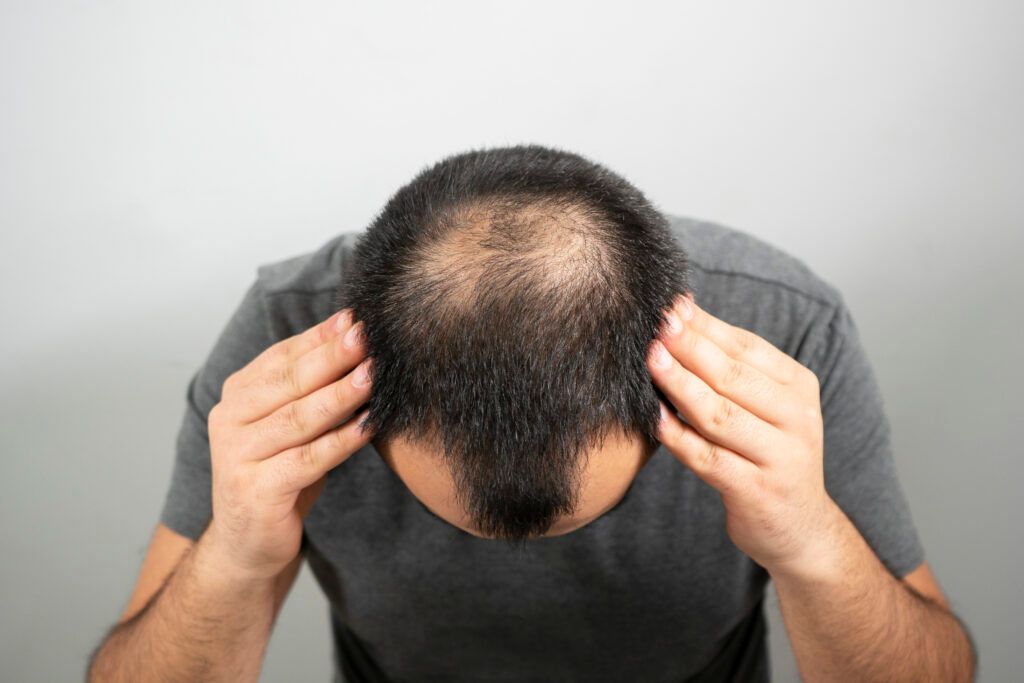
At BEAUTY by BUFORD, we understand that hair loss can be more than just a physical challenge; it’s often a journey filled with emotional ups and downs. That’s why we’re proud to offer NeoGraft hair transplants for both men and women. Whether you’re just starting to notice thinning or you’ve been considering a hair transplant for a while, we’ve written this blog with you in mind. Let’s explore together how NeoGraft can offer you not just a new look but a new outlook on life.
And before we begin, let’s emphasize the fact that Dr. Buford is not only a big cheerleader of Neograft technology, he is also a patient! His first transplant was so successful in filling in the front of his hairline that a year later, he went back and had his second procedure to fill in the top of his head (or crown). During your consultation, he will show you not only how effective his treatments were but also how natural the donor site looks (so much so that with his hair trimmed short, you literally can’t see any scarring).
What Is A NeoGraft Hair Transplant?
In the realm of hair restoration, the NeoGraft hair transplant stands alone as the standard of modern technology and efficiency. This innovative procedure represents a significant leap forward from traditional hair transplant methods, offering a solution that is both minimally invasive (no scalpel!) and remarkably effective.
The NeoGraft process involves the follicular unit extraction (FUE) method, which is a precise extraction of individual hair follicles from areas of the scalp where hair is more abundant, usually in the lower back of the head above the nape of the neck. Once these follicles are removed from the donor area, they are meticulously separated and transplanted to the thinning or balding areas, using a technique NeoGraft calls “no-touch follicle implantation.” What makes NeoGraft truly stand out against the competition is its automated system, which enhances the accuracy and speed of the procedure for the best possible results.
Who Normally Gets A NeoGraft?
NeoGraft hair transplants are increasingly sought after by a diverse range of men and women, each united by a common goal: to address hair loss with an effective and aesthetically pleasing solution.
Men and women in their 30s to 50s frequently turn to NeoGraft, seeking to reverse the signs of aging and regain the hair density of their youth. However, it’s not just the middle-aged who find solace in this technology. Younger clients, conscious of early hair loss, can also opt for NeoGraft to proactively maintain their hairline. Similarly, older clients looking to refresh their appearance find NeoGraft appealing, too.
If age is not a factor, what does Dr. Buford look for when determining your candidacy? Fortunately, it’s not an extensive list. Besides having enough healthy follicles in the donor area, the qualities of an ideal NeoGraft candidate include decent physical health and hair loss that is not caused by a reversible issue, such as stress or medications.
What Are The Benefits Of A NeoGraft?
NeoGraft offers many benefits that address the common concerns associated with hair loss and the procedures to fix it.
- Minimally Invasive Technique: Unlike traditional hair transplants, NeoGraft does not involve major incisions or stitches. This minimally invasive approach results in less discomfort and a significantly reduced risk of complications.
- No Linear Scarring: One of the most notable benefits of NeoGraft is the absence of the linear scar typically associated with traditional hair transplant methods. This is particularly appealing for men who like to wear short hair, as it allows for greater styling flexibility. No need to worry about covering up a scar that broadcasts your procedure!
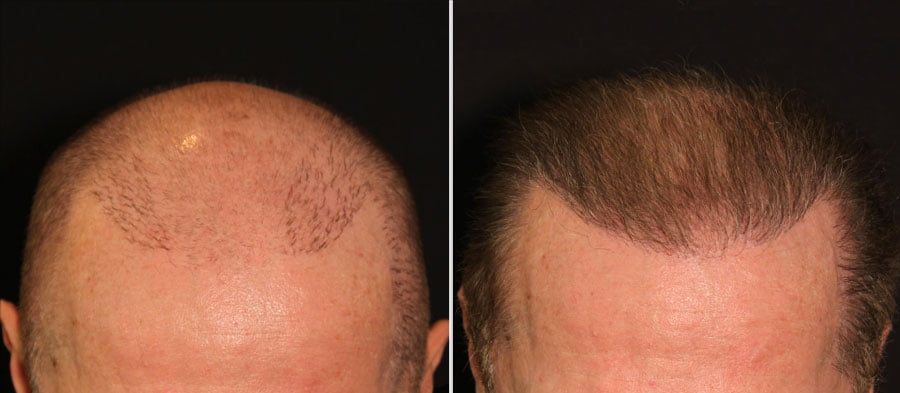
- Natural-Looking Results: The precision of the NeoGraft system ensures a natural and seamless hairline. The transplanted hair grows in a pattern that blends indistinguishably with the existing hair, providing an authentic and undetectable finish.
- Quick Recovery Time: Recovery from a NeoGraft procedure is notably swift. Patients can usually return to their normal activities in less than two weeks, making it an ideal solution for those with busy lifestyles. NeoGraft recovery is often quicker than a traditional surgical hair graft recovery.
- High Success Rate: NeoGraft boasts a high success rate in hair transplantation, with a significant percentage of the transplanted follicles successfully taking root and growing.
What Does The Treatment Process Look Like?
We know you’ll be happy to hear that the procedure is relatively painless and stress-free! Here’s a brief rundown of what to expect:
- Initial Consultation: The journey begins with a comprehensive consultation by Dr. Buford. Your hair loss pattern is assessed, goals are discussed, and a personalized treatment plan is crafted. This stage is crucial for understanding your expectations and determining the number of follicles required for the transplant.
- Preparation for the Procedure: On the day of the procedure, we’ll prepare your scalp by cleaning the area and administering local anesthesia. We may need to trim certain areas of the extraction sites, but don’t worry; we don’t have to shave your head!
- Follicle Extraction: Using the NeoGraft device, individual hair follicles are gently extracted. This step is carried out meticulously to ensure each follicle’s integrity.
- Transplantation: The extracted follicles are then carefully implanted into the targeted areas of the scalp to mimic the hair’s natural growth pattern. The entire process can take anywhere from four to ten hours.
- Post-Procedure Care: Dr. Buford will give you detailed instructions for post-operative care after the procedure. This will include guidelines on how to care for the scalp, medications to manage any discomfort, and tips for promoting safe healing.
- Follow-Up and Results: You’ll typically return for a follow-up appointment to monitor the healing process. The final results of the transplant become evident over several months as the new hair follicles settle in and begin to grow. Soon, you’ll have a fuller, natural-looking head of hair.

Discover If Neograft Is Right For You At BEAUTY by BUFORD!
Choosing NeoGraft is more than just a decision to restore hair; it’s a step towards reclaiming the confidence and vitality that often diminishes with hair loss. Regain control of your appearance and walk with your head held high with a NeoGraft procedure at BEAUTY by BUFORD.
Schedule your consultation with board-certified plastic surgeon Dr. Buford in Lone Tree, Colorado, today to discuss your hair care options. You’ll start feeling like yourself in no time!
You Might Also Like