

February 10, 2016
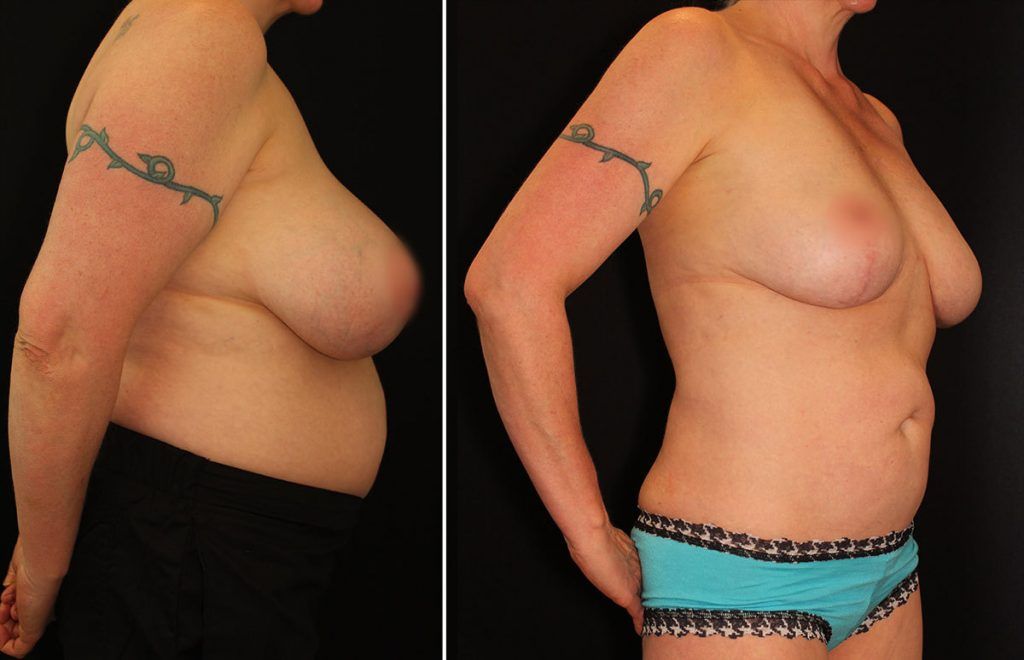
As a Plastic Surgeon, it amazes me how many procedures are constantly being pitched to the American consumer and how many are pure and simple junk! As someone who actually cares about efficacy, I’d like to share today’s snake oil with you and talk about what it is supposed to do and, quite frankly, why it doesn’t do that.
I was shocked to read a recent press release by a local “Cosmetic Surgeon” touting the non-surgical “Vampire Breast Lift”. Here is what this “amazing” procedure reportedly does:
“[Cosmetic Practice] offers the Vampire Breast Lift, a 30-minute, non-surgical procedure that uses PRP to restore a youthful perk to breasts. This procedure provides a shapely lift and stimulates growth of new tissue by encouraging collagen production. The Vampire Breast Lift can also be used to tighten wrinkling skin around the cleavage area, correct inverted nipples, and bring sensation back into the breasts, areolas and nipples.”
So, does this procedure really live up to these claims? Of course not…and here is why:
1. While the injection of PRP (platelet rich plasma) into various areas such as the face has been shown to produce mild to moderate improvement in the overlying skin, the same is not true with its ability to build tissue volume. PRP has been used in the face for the “Vampire Facelift” procedure but review of before and after results has never shown substantial increase in actual tissue volume. As such, it would be interesting to hear why it would then build volume in the breasts.
2. Inverted nipples are the result of tethering bands within the nipples that effectively pull the nipples down into the breast tissue itself. Correction of nipple inversion then relies on specific cutting and release of these tethering cords for any substantial release. As such, there is no physiological reason why simple injection of PRP into this area would have any effect on these cords or affect the release of inverted nipples.
3. To my knowledge, there has never been any study demonstrating the use of PRP to regenerate nerve sensation anywhere.
4. Drooping of breasts is the result of several factors including stretching of the internal Cooper’s Ligaments, and stretching of tissue components of the breasts themselves. Again, to my knowledge, there are no good studies demonstrating that PRP will reverse these changes.
5. If PRP really does stimulate tissue growth overall, then it stands to reason that it might also stimulate growth of any underlying malignant or pre-malignant cells within the breasts which would obviously be contraindicated in anyone with a personal or family history of breast cancer. But this contraindication is mentioned nowhere in this press release.
6. I have yet to see more than one before/after example showing efficacy of this procedure. And the one that is shown is from only two weeks post-procedure. Considering the fact that it takes several months for collagen to actually rebuild, there is no way that this photo can be showing cell growth in this short of time. The “pumped-up” appearance you see in this photo is most likely due to early swelling and nothing more. As with any procedure intended to remodel tissue, we really need to see more long-term results.
The use of hyped procedures and technologies for the purpose of marketing is nothing new but it is a practice that is gaining traction as consumers increase their reliance on the use of the Internet for gathering medical information. And it is for this specific reason that you, as a consumer, need to be extremely skeptical of anything posted online. Consider the source and consider the intent before you grasp onto that new and amazing product, procedure, or anything of the sort.
In the world of medical procedures, never forget the following phrase:
Caveat Emptor (“let the buyer beware”)
Thank you again for your continued support. Have thoughts or insights on this procedure or any other that you are considering? If so, please leave your comments below and we’ll let you know our thoughts!
You Might Also Like