
Accessibility Accessibility icon
CONSULTATION (303) 951-5829
Accent Image
Top 4 New Year’s Resolutions: Beauty Do’s and Don’ts for 2015

Top 4 New Year’s Resolutions: Beauty Do’s and Don’ts for 2015

Top 4 New Year’s Resolutions: Beauty Do’s and Don’ts for 2015

January 30, 2015

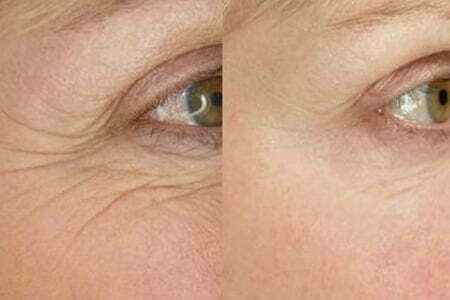
New Year’s Day has come and gone, but it’s not too late to make a few beauty resolutions for 2015. Whether you dream of breakout-free skin or fewer fine lines and wrinkles, these four beauty “do’s and don’ts” resolutions can help get you back on track for a healthy, natural glow:

I resolve to wear SPF daily”.

The sun’s harmful UVA and UVB rays can cause skin damage any day of the year. Whether you’re lying on the beach or bundled up on a cloudy winter’s day, commit to never leaving the house without applying a moisturizer that contains an SPF of at least 30. Daily SPF use is critical to reducing your risk for both premature aging (including fine lines and wrinkles) as well as skin cancer.

“I resolve to not sleep in my makeup.”

While this common makeup sin may seem harmless, when you sleep in your makeup you are not giving your skin a chance to recover from oxidative stress exposure accumulated during the day. Makeup holds on to free radicals, resulting in fine lines on the skin and increased risk for premature aging. Even worse, heavy makeup foundation and thick, oil-based primers clog the pores, leading to unsightly acne breakouts.

“I resolve to throw out old makeup.”

Still hanging on to crusty mascara or dried-out foundation? It’s time to say goodbye. Spoilage naturally occurs over time due to the introduction of bacteria, water evaporation, and loss of potency of active ingredients. For example, anti-aging skincare products have ingredients like retinol and glycolic acid that will break down and lose their potency within a year. Even nail polish is extremely sensitive to heat and humidity; chemicals that keep the polish smooth also degrade quickly. Worst of all, old beauty products could be contaminated with bacteria that might cause an infection. So keep your skin and eyes safe, and toss old products. Bonus: you’ll reduce clutter and make room for new favorites!

“I resolve to watch what I eat and drink.”

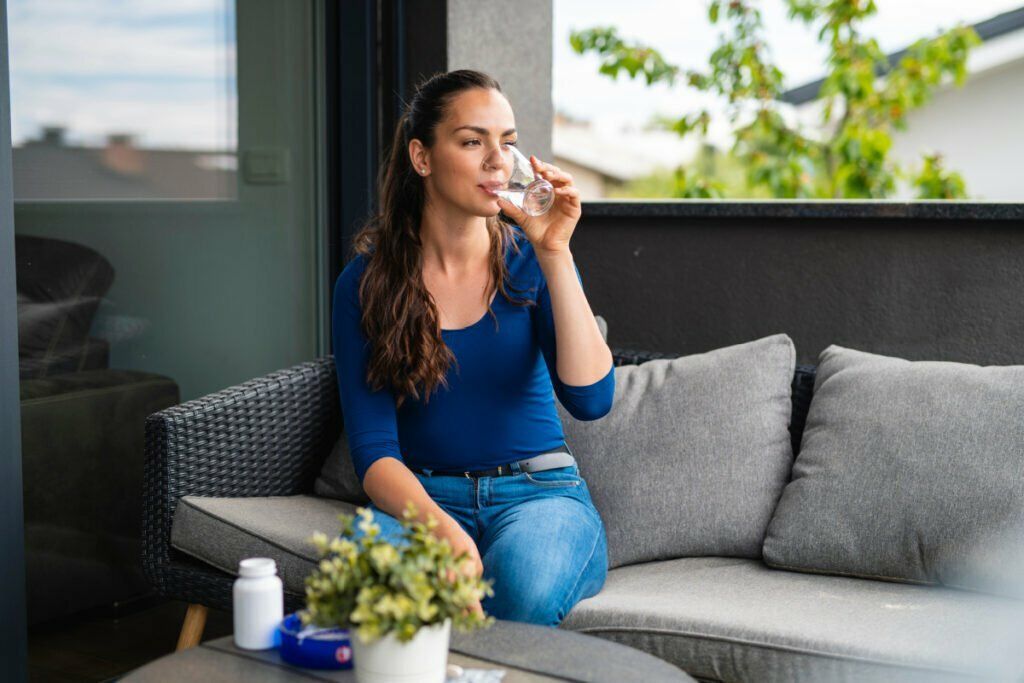
Inhaling a cheap slice of pizza may not cause your skin to instantly breakout, but there is a clear link between what you put in your body and how it looks on the outside. Overall health is closely linked to outward beauty. Staying hydrated, for example, increases skin firmness and improves elasticity. Vegetables and fruits are rich in antioxidants, which fight the free radicals that damage skin and cause premature aging. So when you make healthy food choices, you’re also boosting and protecting your natural beauty!

Ready to make a change this year? From anti-aging skincare to daily moisturizing, these beauty do’s and don’ts are all important to total body wellness. Your health is in your hands!

Visualize your NEW LOOK in 3D NOW

START NOW
Natrelle® Breast Implants
IMPORTANT SAFETY INFORMATION

Breast implants are not lifetime devices. The longer patients have them, the greater the chance they will develop complications, which may require more surgery. Breast implants have been associated with a cancer of the immune system called breast implant–associated anaplastic large cell lymphoma (BIA-ALCL). Some patients have died from BIA-ALCL. Patients have also reported a variety of systemic symptoms such as joint pain, muscle aches, confusion, chronic fatigue, autoimmune diseases, and others.

Natrelle® Breast Implants are for breast augmentation and revision surgery in women at least 22 years old for silicone-filled implants and women at least 18 years old for saline-filled implants.

You should not get breast implants if you currently have an active infection, untreated breast cancer or precancer, or are pregnant or nursing. Tell your doctor about any conditions you have, any medications you are taking, and any planned cancer treatments. Breast implantation is likely not a one-time surgery.

Having implants removed and not replaced may lead to permanent cosmetic changes of the breasts. Breast implants may affect breastfeeding. Gel implants may rupture without symptoms, so periodic imaging after surgery is recommended.

Key complications are reoperation, implant removal, implant rupture, implant deflation with saline-filled implants, and severe capsular contracture.

Talk to your doctor for more information.

The use of Natrelle® Breast Implants is restricted to licensed physicians who provide information to patients about the risks and benefits of breast implant surgery.

Visualize your
NEW LOOK in 3D NOW!

Start now
START NOW
Natrelle® Breast Implants
IMPORTANT SAFETY INFORMATION

Breast implants are not lifetime devices. The longer patients have them, the greater the chance they will develop complications, which may require more surgery. Breast implants have been associated with a cancer of the immune system called breast implant–associated anaplastic large cell lymphoma (BIA-ALCL). Some patients have died from BIA-ALCL. Patients have also reported a variety of systemic symptoms such as joint pain, muscle aches, confusion, chronic fatigue, autoimmune diseases, and others.

Breast implants are not lifetime devices. The longer patients have them, the greater the chance they will develop complications, which may require more surgery. Breast implants have been associated with a cancer of the immune system called breast implant–associated anaplastic large cell lymphoma (BIA-ALCL). Some patients have died from BIA-ALCL. Patients have also reported a variety of systemic symptoms such as joint pain, muscle aches, confusion, chronic fatigue, autoimmune diseases, and others.

Breast implants are not lifetime devices. The longer patients have them, the greater the chance they will develop complications, which may require more surgery. Breast implants have been associated with a cancer of the immune system called breast implant–associated anaplastic large cell lymphoma (BIA-ALCL). Some patients have died from BIA-ALCL. Patients have also reported a variety of systemic symptoms such as joint pain, muscle aches, confusion, chronic fatigue, autoimmune diseases, and others.

Breast implants are not lifetime devices. The longer patients have them, the greater the chance they will develop complications, which may require more surgery. Breast implants have been associated with a cancer of the immune system called breast implant–associated anaplastic large cell lymphoma (BIA-ALCL). Some patients have died from BIA-ALCL. Patients have also reported a variety of systemic symptoms such as joint pain, muscle aches, confusion, chronic fatigue, autoimmune diseases, and others.